Blog
This is the most fun time there has ever been to build software
Software used to make you wait. Now a good idea can turn into something real before the excitement wears off, and that changes the emotional side of building as much as the technical side.
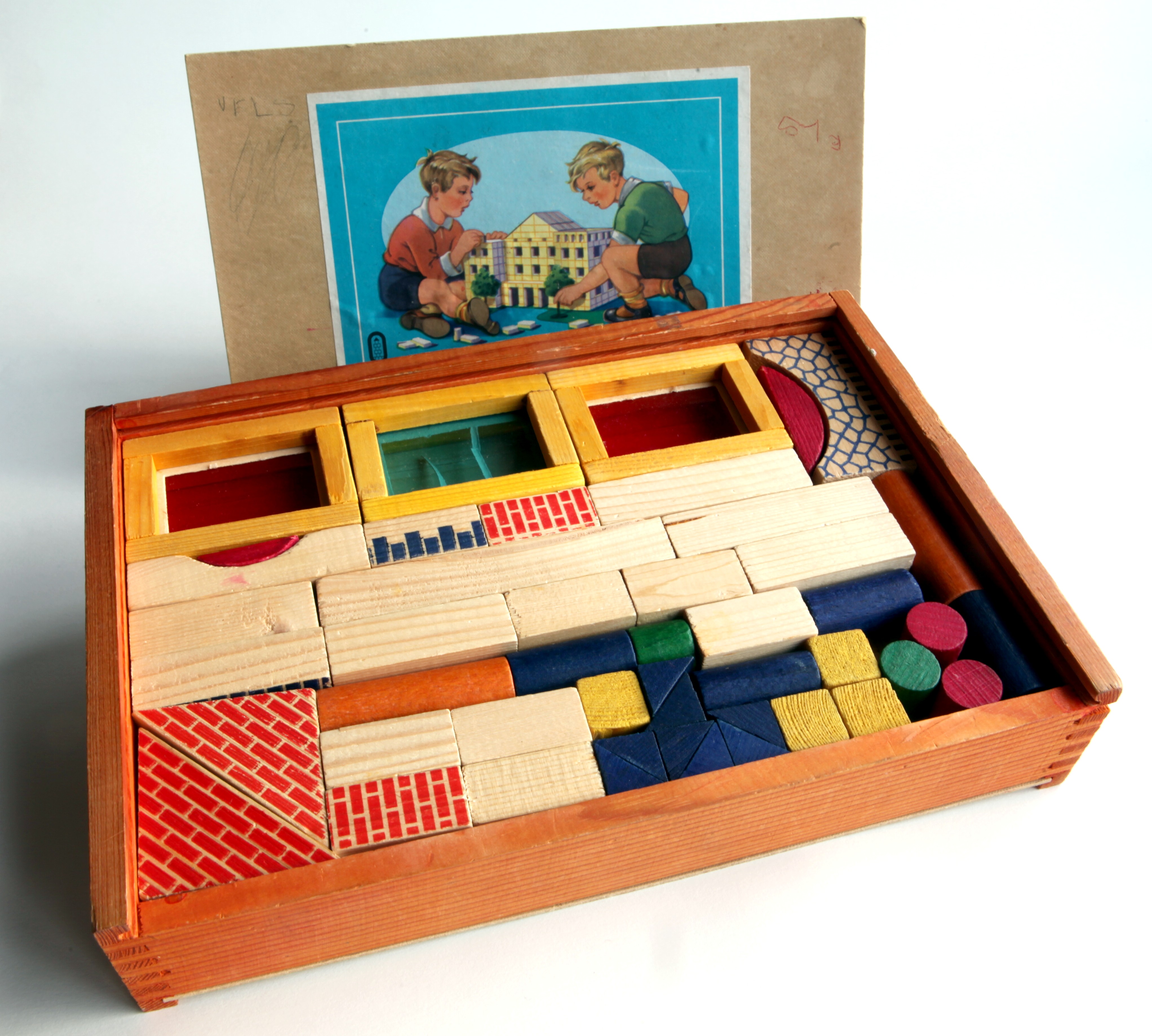
For a long time, software had a weird emotional tax built into it. You would get excited about an idea, sketch it out, maybe even talk yourself into believing in it, and then run straight into the slow part. Boilerplate. Setup. Wiring. Moving data around. Fixing one small thing and waiting all afternoon to see the result. The gap between imagination and reality was just big enough to wear people down.
That gap is smaller now. Not gone, and definitely not replaced by magic, but smaller in a way that changes the whole job. You can open an editor with a rough thought in your head, use AI tools to chew through the first draft of the structure, and get to the interesting part before your momentum dies. That matters more than people admit. Momentum is half the battle in creative technical work.
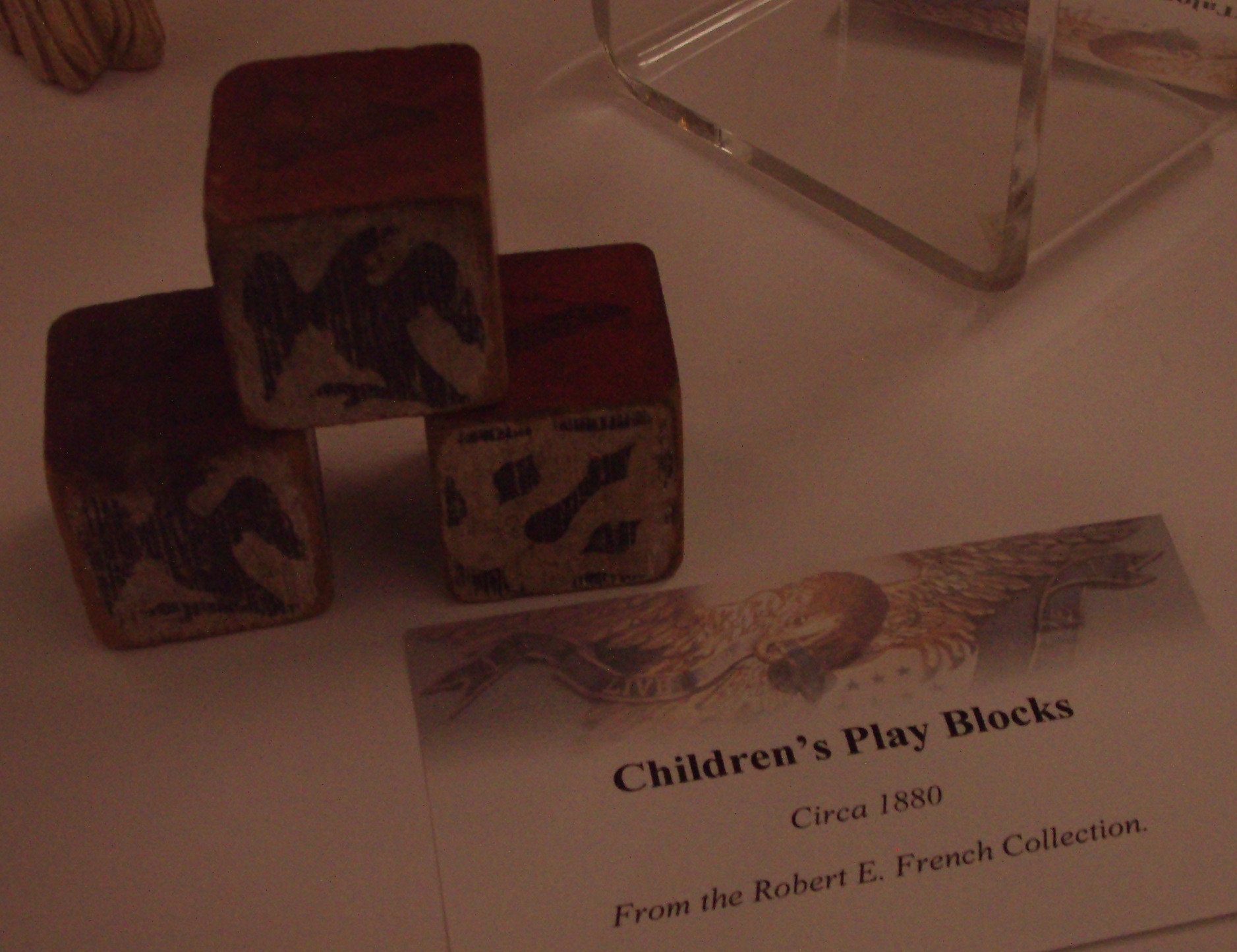
It feels closer to building with blocks again
That is the part I keep coming back to. The best software sessions now feel a lot more like sitting on the floor with a pile of blocks than filling out forms in triplicate. You try something. It clicks into place. You see the shape of the thing earlier. You get feedback sooner. You change your mind without paying such a brutal cost for it.
Good engineers still need judgment. You still need taste, restraint, architecture, and the willingness to clean things up when the fast path makes a mess. But the fun is back in a bigger way because the machine can carry more of the drudge work. You can spend more of your day making decisions instead of performing rituals.
Ideas can stay alive long enough to become real
The biggest shift is not that one person can suddenly pretend to be a ten person team. It is that more ideas survive first contact with reality. That half-formed internal tool. That product concept you could explain in two excited minutes. That workflow improvement everyone complains about but nobody has time to fix. Those things now have a fighting chance.
You can mock the interface, scaffold the backend, generate the boring glue, test a flow, and get something usable in front of someone in hours. Not because the hard parts disappeared. They did not. It is because the expensive blank-page phase got a lot cheaper.
A rough product idea can become a working prototype before lunch.
A repetitive internal process can be replaced instead of tolerated.
A solo builder can explore more directions without wasting a week on each one.
A strong engineer with taste can ship faster without lowering the bar.
The joy is not just speed
Speed is the obvious headline, but it is not the whole story. The real joy is that software feels more conversational now. You can ask for a shape, react to it, tighten it, and keep moving. The work feels less like dragging heavy machinery uphill and more like collaborating with tools that actually keep up with your train of thought.
That makes the field more welcoming too. A person with a big imagination and enough stubbornness can do a lot more than they could a few years ago. They still have to learn. They still have to think. They still have to care about quality. But they are not locked out of the fun part anymore.
That is why this feels like the most fun time there has ever been to be a software engineer. We are finally getting more of the joy of building, not just the obligation of maintaining. Ideas move faster. Experiments are cheaper. Imagination lasts longer. And when that energy is handled well, it turns into real products that help real people.